Category

Technology

Technology

Li Energy: Powering the Future of Lithium ion Battery Energy Storage and Electric Vehicles

New Delhi [India]: In the bustling city of Chennai, a visionary entrepreneur, Sharanraj, has embarked on an ambitious journey to revolutionize the energy storage and electric vehicle (EV) industry. His venture, Li Energy, stands at the forefront of innovation with a robust core team experienced in global battery cell, module, and pack manufacturing.

Li Energy’s groundbreaking intellectual property–an AI-integrated, fully automated prismatic production line–promises to disrupt the market. This state-of-the-art technology is capable of producing hundreds of different battery packs for EVs and Energy Storage Systems (ESS) on a single line, significantly reducing capital expenditure. This strategic advantage positions Li Energy as a unique player among its industry peers.

Continue reading
Technology

VYKY Introduces SAMM – World’s First Fully Automated and Patented Kitchen Robot

New Delhi [India]: The development of sensors, electronics, and software advancements have resulted in many innovations being introduced in the field of robotics. Today, in various parts of the world, robots are employed to carry out a variety of tasks successfully. From serving meals at restaurants to doing household chores, robots are doing a bunch of things very efficiently. As long as you know how to use or work with them, robots can make your life much easier.

VYKY, a New Zealand-based company, has always been at the forefront as far as putting together innovative methods and implementing new-age technology is concerned. VYKY has now introduced SAMM, touted to be the first fully automated and patented kitchen robot in the world. As a robot, SAMM has been designed to cook in an automated manner. It is equipped with the skills and technology to carry out all kinds of cooking-based activity.

Elaborating on this cutting-edge innovation, a spokesperson from VYKY says, “SAMM has been designed to be your ‘personal robot chef’. It actually proves to be a lot more effective and efficient than a human chef. While some enjoy the process of cooking, many find it to be a tedious, time-consuming and tiring activity. For years, people had been wishing for a technology that would enable them to automate the process of cooking. With the arrival of SAMM, their long-standing wish has been fulfilled.”

In today’s times, when most people lead busy lives and try to strike a balance between their personal and professional duties, household tasks are delegated to other people. While people find do not find it difficult to find the right housekeeping staff, the one thing they struggle with is finding a reliable chef. After investing in SAMM, one would never have to be worried about food not being cooked properly or meals not arriving on time.

Talking about the unique features of SAMM, the spokesperson states, “It has 8 main ingredient compartments for main ingredients like vegetables and 7 compartments for spices. With so many options at its disposal, it can cook any dish conveniently. You just have to load the ingredients at the top and then, SAMM will follow the recipe and drop the ingredients in a cooking pot under it. At any given point in time, it can cook for a family of four. You can load the ingredients in the morning and it will be kept in refrigeration mode. Before leaving for work, you can send a simple command to the cook and a piping hot meal will be ready by the time you get back home.”

As a user, one can also download, upload, sell or share recipes on the online recipe store. SAMM comes equipped with 500 free recipes from more than 50 cuisines from around the world. You can control SAMM with the help of your smartphone or by visiting the website. Since it has been designed as an IoT device, it remains connected to the internet. It has an 8-inch wide touch-enabled screen and voice control feature.

Over the world, a large number of people lose a lot of time every day by being in the kitchen and preparing the meals for the day. Once you get SAMM home, you will not have to be concerned about this aspect of your life. You will be able to save a great amount of time and use that time to engage in some constructive or productive work. VYKY is currently accepting pre-orders and bookings for SAMM. Though the product has just been launched, it is already available in four models, G4, G2, I4 and I2.

For more information, visit https://myvyky.com.

Continue reading
Technology

Gan.AI Launches Myna-mini: Pioneering Text-to-Speech Model supporting 22 Indic Languages alongside English

National, 9 August 2024: Gan.AI, a leading startup in conversational AI research and products, today announced the launch of Myna-mini, a groundbreaking text-to-speech (TTS) model and API. This research preview marks a significant milestone in language technology, being the first and only TTS model in the world to support all 22 Official Indic languages alongside English.

Key Features x Myna-mini:

  • Support for 22 Indic Languages and English: Comprehensive linguistic
  • Multiple Distinct Voices: Reflecting the diverse regions of
  • Native Code-Mixed Language Support: Seamlessly handles multilingual
  • High-Quality, Natural-Sounding Voice Output: Superior voice
  • User-Friendly API: Easy integration for
  • Free Access via AI Playground: Try out the technology at no cost.

Code-mixed support means Myna-mini can seamlessly handle text that mixes multiple languages in a single sentence or paragraph. This reflects how people naturally communicate, switching between languages mid-conversation. Myna-mini is the result of extensive research and development by Gan.AI’s team, which includes experts from prestigious institutions and tech giants such as Stanford, FAIR, IITs, BITS, Samsung, Microsoft, and Adobe Research. The team boasts over 1000 combined research citations in the field.

“Myna-mini represents a significant step towards making AI accessible and useful for everyone, regardless of the language they speak,” said Suvrat, founder and CEO of Gan.AI. “We’re excited to bridge the language gap and bring advanced voice technology to over 1 billion people.”

The launch of Myna-mini is just the beginning. Gan.AI has announced plans for even more advanced models, including:

  • Myna and Myna-Large: Set to be the world’s largest TTS models in terms of training data and parameter count
  • Zero-shot cross-lingual voice cloning
  • Lip-sync API
  • Avatar API

Gan.AI’s technology has already been trusted by world-renowned brands for personalizing video and audio campaigns, including Uber, Cadbury, Swiggy, Zomato, the San Antonio Spurs, and Mumbai Indians.

Developers, researchers, and businesses are invited to explore Myna-mini at playground.gan.ai. Gan.AI welcomes feedback from the community to guide future development and improvements.

About Gan.AI: Gan.AI is a leading conversational AI research and products company, dedicated to pushing the boundaries of communication technology. With a focus on inclusivity and accessibility, Gan.AI develops cutting-edge AI solutions that cater to diverse linguistic landscapes.

For more information, visit www.gan.ai or contact press@gan.ai.

Continue reading
Technology

SquareX Discovers New Cybersecurity Attacks that Completely Bypass Secure Web Gateways (SWG), Leaving Most Enterprises Vulnerable.

SINGAPORE, Aug 6, 2024 – SquareX Founder, Vivek Ramachandran, cybersecurity veteran with over 20 years of experience and founder/ex-CEO of Pentester Academy (acquired by INE), together with the security research team, will be delivering their latest findings in an upcoming main stage talk, titled Breaking Secure Web Gateways (SWG) for Fun and Profit! at DEF CON 32’ on Friday, August 9, 2024 at 5pm PT.

The talk will unveil ‘Last Mile Reassembly Attacks’, a new class of attacks that completely evade Secure Web Gateways (SWGs), a crucial component of modern Secure Access Service Edge (SASE) and Security Service Edge (SSE) solutions.

The web browser is the most used application within the enterprise but also the least protected. Bad actors are now increasingly targeting the weakest link: employees and consultants.

Unfortunately, most of these attacks happen online when the employee or consultant is going about his daily work. Existing security solutions like SWGs as part of SASE/SSE solutions are unable to protect users against modern web threats that happen on the client side. This makes it currently impossible for enterprise security teams to detect, mitigate and threat hunt these attacks.

Vivek Ramachandran and the SquareX team have conceptualized and identified a new class of attacks against SWG and cloud-based intercepting proxies, converting traditional attacks like malware downloads and malicious websites into something undetectable by all existing vendors in the Gartner Magic Quadrant.

This class of attack is called “Last Mile Reassembly Attacks”. The vulnerabilities the team discovered are architectural and vendor-agnostic, meaning there is no specific way to fix them.

These attacks will have a massive impact on SASE, as it is a $40 billion market, and every large security vendor has an SWG product vulnerable to this new class of attacks. This is an industry-first research highlighting attacks that we suspect may have been circulating in the wild for some time. As these client-side attacks are fundamentally different in nature to the attacks that SWGs typically detect, they have remained unnoticed. Upon revealing these attacks and the release of the accompanying toolkit, enterprise vendors can assess their security posture and build countermeasures.

During the main stage talk, Vivek will shed light on this Last Mile Reassembly Attacks” – where a file download, upload or site rendering never actually happens on the server side. Instead, the attack is assembled directly in the user’s browser using various techniques, which will be explained in detail during the talk. This way, malicious files can evade triggering SWGs, leaving many enterprises across the globe vulnerable to being attacked.

Researchers at SquareX will also demonstrate over 25 plus bypass methods, including chunking attacks, WASM payloads, and others.

“The research team and I are excited to be presenting the talk at DEF CON 32. This talk will challenge SASE, SSE vendors in the current space. We hope that vendors will rethink their reliance on cloud-based web attack detection models and understand the need for a client-side (either endpoint or browser-bjhased) security agent and browser-hardening to work in tandem with the SWG for accurate detection-mitigation of attacks,” says Vivek Ramachandran, Founder & CEO of SquareX.

Web attacks have far advanced and evolved in today’s world and if enterprises do not change the way they protect their users, they will essentially be vulnerable to these web threats and attacks. SquareX is dedicated to enhancing online security for enterprises. By bringing these vulnerabilities to light and advocating for a more comprehensive approach to browser security, the team’s research serves as a critical alert to the cybersecurity community.

The revealing of “Last Mile Reassembly Attacks” and the release of the accompanying toolkit are poised to challenge the way enterprise security teams think and will prompt enterprises to reassess their methods for protecting employees from browser-based attacks.

About SquareX:
SquareX helps organizations detect, mitigate and threat-hunt web attacks happening against their users in real time. With our innovative browser-native security product, SquareX safeguards enterprise users from a spectrum of web-based threats, encompassing malicious files, websites, scripts, and compromised networks.

About Vivek Ramachandran:
Vivek Ramachandran is a security researcher, book author, speaker-trainer, and serial entrepreneur with over two decades of experience in offensive cybersecurity. He is currently the founder of SquareX, building a browser-native security product focused on detecting, mitigating, and threat-hunting web attacks against enterprise users and consumers. Prior to that, he was the founder of Pentester Academy (acquired in 2021), which has trained thousands of customers from government agencies, Fortune 500 companies, and enterprises from over 140+ countries. Before that, Vivek’s company built an 802.11ac monitoring product sold exclusively to defense agencies.

Vivek discovered the Caffe Latte attack, broke WEP Cloaking, conceptualized enterprise Wi-Fi Backdoors, and created Chellam (Wi-Fi Firewall), WiMonitor Enterprise (802.11ac monitoring), Chigula (Wi-Fi traffic analysis via SQL), Deceptacon (IoT Honeypots), among others. He is the author of multiple five-star-rated books in offensive cybersecurity, which have sold thousands of copies worldwide and have been translated into multiple languages.

He has been a speaker/trainer at top security conferences such as Blackhat USA, Europe and Abu Dhabi, DEFCON, Nullcon, Brucon, HITB, Hacktivity, and others. Vivek’s work in cybersecurity has been covered in Forbes, TechCrunch, and other popular media outlets.

In a past life, he was one of the programmers of the 802.1x protocol and Port Security in Cisco’s 6500 Catalyst series of switches. He was also one of the winners of the Microsoft Security Shootout contest held in India among a reported 65,000 participants. He has also published multiple research papers in the field of DDoS, ARP Spoofing Detection, and Anomaly-based Intrusion Detection Systems. In 2021, he was awarded an honorary title of Regional Director of Cybersecurity by Microsoft for a period of three years, and in 2024 he joined the BlackHat Arsenal Review Board.

Continue reading
Technology

CRM Masters Infotech: The Company That Is Helping Organizations Integrate AI With CRM

CRM Masters Infotech Helps Organizations Integrate AI With CRM

Since the last few years, companies across the world have been using cloud-based software or tools. The one cloud-based software that has benefited companies greatly is customer relationship management or CRM software. CRM software or tools help organizations organize and regulate information related to its customers.

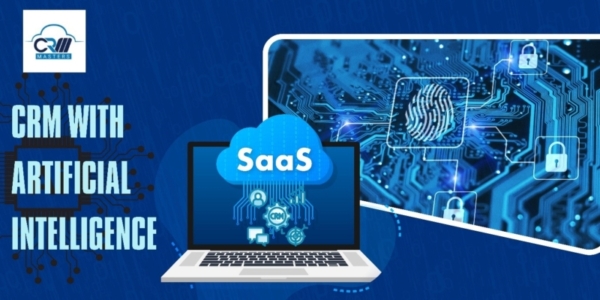
While using CRM software has become a must for every organization in the world, it is also important for companies to integrate it with artificial intelligence or AI to ensure it works optimally. Learning the different elements or nuances associated with AI is the need of the hour and so is integrating it with tools which organizations have been using for years. The one company that is helping business organizations integrate AI with CRM smoothly and guiding them towards using these elements to propel their growth forward is CRM Masters Infotech, a Gurgaon based company driven by a solid team.

Talking about the importance of integrating AI with CRM, a spokesperson from CRM Masters Infotech says, “Once your customer relationship management software gets integrated with AI, it will enable employees to exhibit higher productivity and do their much more efficiently. AI will assist CRM in a variety of tasks including managing calendars, making calls, scheduling meetings, and taking notes. It also helps the business using a more structured approach to customer segmentation. By using intelligent algorithms, one can out customers into different segments based on various factors like purchasing behaviour, demographics, and preferences. The process of lead management, too, becomes much more simplified.”

CRM Masters Infotech has spent a lot of time, resources, and energy in studying more than 80 CRM software and tools over the years. The company has closely observed how these tools have evolved in these years. It has also studied AI in detail and done extensive research on how CRM and AI could be integrated with each other. The company initiates this integration process after taking into account all the issues and hindrances companies and employees face.

Elaborating on the same, the spokesperson states, “CRM systems, which are powered by AI, integrate a plethora of different technologies, operational processes, and data sources. While integrating AI with CRM, you have to ensure the different processes are in sync with each other and working properly. Because of this, companies find it a little challenging to do this. When we collaborate with an organization, we break down the integration process into simpler steps and execute everything properly.”

There are several prominent use cases of the integration of AI with CRM.

  • When you integrate AI with CRM, business intelligence gets an immediate boost.
  • AI works towards analyzing a large amount of data from different touch-points and uses machine learning algorithms to chart out trends and patterns.
  • Another big advantage of this integration is sales optimization.
  • AI stimulates CRM sales modules by using predictive analytics to get leads driven by past interactions and conversion potential.

Since 2016, CRM Masters Infotech has offered its services to some of the most reputed organizations based in India and abroad. The company is a Zoho Consulting Partner & Salesforce Consulting Partner. The company specializes in offering customized IT solutions to organizations using Zoho, Salesforce, Shopify, AWS, WordPress, Microsoft Dynamics 365, and other tools. The company has helped more than 1500 clients embrace the digital revolution and transform themselves for the better.

Company Name: CRM Masters Infotech LLP

Address: 529-532, Fifth Floor, Vipul Trade Center, Sector 48, Gurgaon, Haryana India – 122018

Contact Email: info@crm-masters.com

Phone: +91 9810824033

Website: https://crm-masters.com

Social Links:

Linkedin: https://www.linkedin.com/company/13749494/admin/feed/posts/

Youtube: https://www.youtube.com/channel/UCVFZt1Rrh5Wws6giAqKOemw

Continue reading
Technology

New Zealand Based Company VYKY Introduces the World’s First Fully Automated and Patented Kitchen Robot

VYKY Introduces World’s First Fully Automated and Patented Kitchen Robot

The development of sensors, electronics, and software advancements have resulted in many innovations being introduced in the field of robotics. Today, in various parts of the world, robots are employed to carry out a variety of tasks successfully. From serving meals at restaurants to doing household chores, robots are doing a bunch of things very efficiently. As long as you know how to use or work with them, robots can make your life much easier.

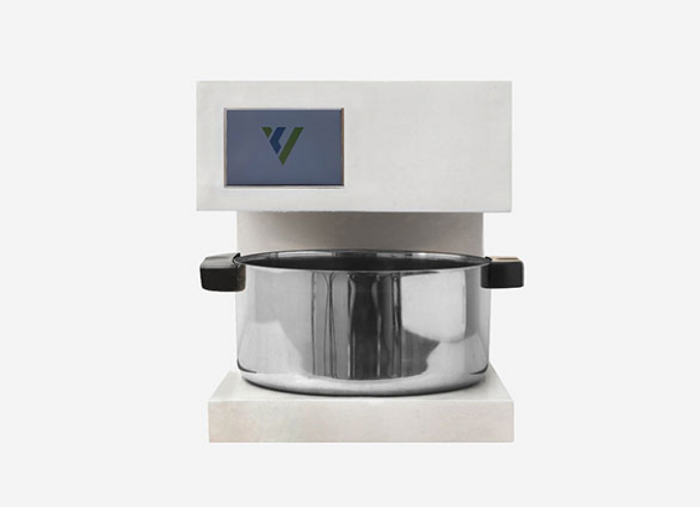
VYKY, a New Zealand-based company, has always been at the forefront as far as putting together innovative methods and implementing new-age technology is concerned. VYKY has now introduced SAMM, touted to be the first fully automated and patented kitchen robot in the world. As a robot, SAMM has been designed to cook in an automated manner. It is equipped with the skills and technology to carry out all kinds of cooking-based activity.

Elaborating on this cutting-edge innovation, a spokesperson from VYKY says, “SAMM has been designed to be your ‘personal robot chef’. It actually proves to be a lot more effective and efficient than a human chef. While some enjoy the process of cooking, many find it to be a tedious, time-consuming and tiring activity. For years, people had been wishing for a technology that would enable them to automate the process of cooking. With the arrival of SAMM, their long-standing wish has been fulfilled.”

In today’s times, when most people lead busy lives and try to strike a balance between their personal and professional duties, household tasks are delegated to other people. While people find do not find it difficult to find the right housekeeping staff, the one thing they struggle with is finding a reliable chef. After investing in SAMM, one would never have to be worried about food not being cooked properly or meals not arriving on time.

Talking about the unique features of SAMM, the spokesperson states, “It has 8 main ingredient compartments for main ingredients like vegetables and 7 compartments for spices. With so many options at its disposal, it can cook any dish conveniently. You just have to load the ingredients at the top and then, SAMM will follow the recipe and drop the ingredients in a cooking pot under it. At any given point in time, it can cook for a family of four. You can load the ingredients in the morning and it will be kept in refrigeration mode. Before leaving for work, you can send a simple command to the cook and a piping hot meal will be ready by the time you get back home.”

As a user, one can also download, upload, sell or share recipes on the online recipe store. SAMM comes equipped with 500 free recipes from more than 50 cuisines from around the world. You can control SAMM with the help of your smartphone or by visiting the website. Since it has been designed as an IoT device, it remains connected to the internet. It has an 8-inch wide touch-enabled screen and voice control feature.

Over the world, a large number of people lose a lot of time every day by being in the kitchen and preparing the meals for the day. Once you get SAMM home, you will not have to be concerned about this aspect of your life. You will be able to save a great amount of time and use that time to engage in some constructive or productive work. VYKY is currently accepting pre-orders and bookings for SAMM. Though the product has just been launched, it is already available in four models, G4, G2, I4 and I2.

For more information, visit https://myvyky.com.

Continue reading
Technology

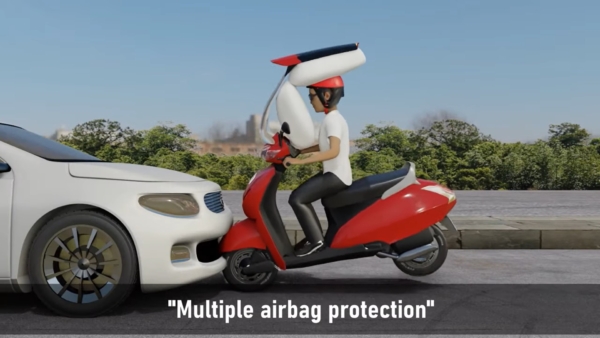
Airbag and sunroof for scooter! Yes GERMAN-MECHANIC Safety & Innovative parts and accessories manufacturer aims to reduce accidental injury rate by 30% before 2025.

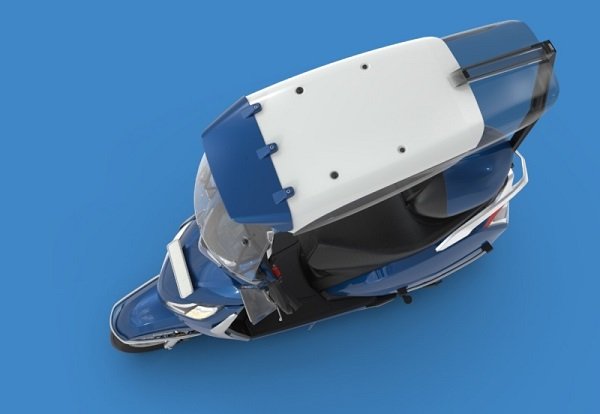
Till date you must have heard these luxury and safety feature into luxury car category. Now you will soon experience them in your favorite scooter and that is also within affordable price. A start-up recognized by government of India is manufacturing safety innovative lifestyle parts and accessories for two-wheeler for riders’ maximum protection. roof with button operated sunroof designed especially for scooters in accessories provides comfort and lifestyle in harsh weather under GERMAN-MECHAINC brand is one of their great innovations.

A Global status report 2023 on road safety released by the United Nations World Health Organization shows there are more than one lakh fifty thousand fatalities in INDIA, which includes more than 48% of two-wheeler riders. The company had researched, studied accidental data, and found a major cause of fatality rate in accidents and life-threatening injuries. Accordingly, GERMAN-MECHANIC has designed and manufactured all its products to provide riders with maximum protection along with comfort and lifestyle.

After studying accidental data GERMAN-MECHANIC comes to conclusion that we need to approach each injury in a customized way because two-wheeler is totally different from four-wheeler where rider body is directly exposed to impact.

For example, in a city traffic many people knukkle and fingers got injured while crossing traffics which impact their daily task and job because fingers are most important to perform any routine task, you can’t even scroll up this news if your finger injured  so GERMAN-MECHANIC has designed Handguard to protect riders fingers knukkle.

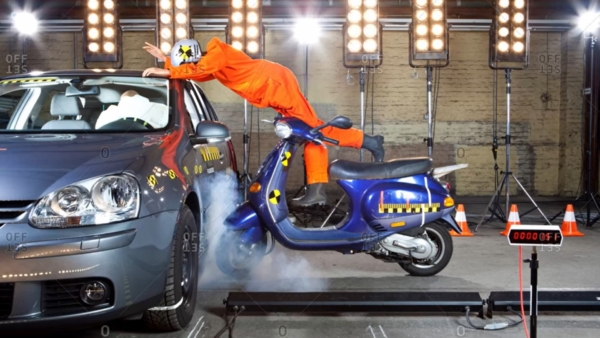
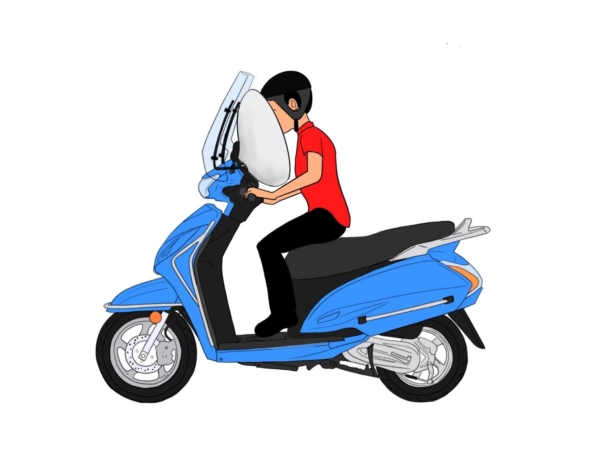
Also when two wheeler suddenly had frontal collision due to Kinetic energy rider hit his head on front vehicle or he use to throw outside of vehicle and his head hits on any hard surface on the road which was identified was the most reason of fatality rate in two wheeler accident so GERMAN-MECHAINC has designed a windshield which intact rider into two wheeler itself and does not allow him to thrown out of vehicle due to Kinetic energy. GERMAN-MECHAINC is also developed side visors which provides safety in case of side impacts and collision curtain airbag is also in research phase which claims 360-degree protection.

Hence like GERMAN-MECHANIC has researched designed developed many parts and accessories which provides maximum protection and lifestyle to rider, company has protected all their innovation under patent and copyright act.

So next time when you buy a vehicle ask your dealer for original GERMAN-MECHAINC branded full accessories kit to fix on your vehicle for better protection and lifestyle instead low-quality nonregulated locale accessories.

GERMAN-MECHANIC aims to reduce the injury & fatality count by 30% globally by the end of this year with their innovation.

To support the WHO road safety mission which targets to reduce the fatality rate by 2030 GERMAN-MECHANIC appeals to all riders to follow traffic rules, keep the speed limit, Don’t drink and drive, Don’t use mobile while driving and use GERMAN-MECHANIC Safety gear for maximum protection and lifestyle.

GERMAN-MECHANIC Safety & Innovation.

Tredmark copyright patent own by TODMAL INDIA PVT. LTD.

CEO: R S Todmal

Inquiries: Customer care, +91 8380893820

email us here info@todmal.com

website: https://www.german-mechanic.com/

Amazon:  https://www.amazon.in/dp/B0CNH27MMK

YouTube:  https://youtu.be/DTs_d8gaBdk?si=-2Tk43IP6tbAUH0l

Visit us on social media:

Facebook

Twitter

LinkedIn

Instagram

YouTube

Other

Continue reading
Technology

Contabo Launches New Data Center in Mumbai, India

Contabo, global cloud computing provider headquartered in Germany, is proud to announce the launch of its state-of-the-art Data Center in Mumbai, India. This strategic expansion is in line with Contabo’s ongoing commitment to delivering cost- effective cloud hosting solutions to the rapidly growing IT sector in India and South Asia.

The Mumbai Data Center is the latest addition to Contabo’s robust global network, now spanning 9 regions and 12 locations worldwide. Equipped with cutting-edge technology, the new facility is poised to significantly benefit local businesses and offshore clients by offering reduced latency and comfortable affordability for cloud services in the region.

“We are thrilled to launch our new Data Center in Mumbai,” said Christian Boing, CEO of Contabo. “This expansion stands for to our commitment to supporting the digital growth of businesses in India and South Asia. We’re very keen to provide our users with the cloud solutions they need to succeed.

“This new presence of Contabo in India enhances the local digital infrastructure and provides cost- effective cloud solutions, assisting the further growth and competitiveness of Indian businesses in our rapidly evolving IT sector.” added Rajani Bhatia, Country Manager India at Contabo.

To celebrate this significant milestone, Contabo is running a special launch promotion for its customers: 50 per cent discount on Location Fees in India for Cloud VPS, Cloud VDS, and Dedicated Servers.

Key Highlights about the Contabo Mumbai Data Center:

* State-of-the-Art Technology: The Mumbai Data Center features advanced infrastructure designed to meet the high-performance demands of modern businesses.

* Optimized Local and Offshore Services: Businesses in India and surrounding regions will experience reduced latency and cost-effective cloud services, driving greater efficiency and competitiveness.

Embracing New Opportunities in a Growing Market

With a regional population exceeding 1.5 billion, India represents a largely untapped market with immense potential for digital growth. The new DC enables Contabo to better serve its customers in this dynamic region, empowering businesses to scale their operations with powerful and affordable cloud hosting solutions.

About Contabo

Founded in Munich in 2003, Contabo is an emerging global cloud infrastructure provider focusing on cloud instances (VPS, VDS), Bare Metal, as well as Object Storage. Contabo owns twelve data centers worldwide (EU, US, UK, India, Singapore, Japan, Australia regions) that host over 400,000 servers for more than 200,000 customers from 190+ countries. The company is on a mission to deliver German quality to a global audience, striving for having the most helpful customer support in the industry while offering rock-solid cloud infrastructure at an affordable price.

For more information about Contabo’s Mumbai Data Center and the special launch promotion, please visit https://contabo.com/en/locations/india/

Continue reading
Technology

Appy Pie Now Lets Users Convert Websites into Apps for Android and iOS

Appy Pie, a leading app builder, announces the launch of its innovative website-to-app converter to convert website to app. This platform enables users to convert their websites into fully functional mobile apps for Android and iOS devices without any coding skills.

The website to app converter has a simple drag-and-drop interface. Users can customize the app’s design, layout, and features to fit their brand and needs. The platform caters to both Android and iOS, so the app can reach a wider audience. Any updates made to the app show up right away for a smooth user experience. It also provides app analytics, so businesses can track performance and user engagement. There are multiple options to make money from the app, including ads and in-app purchases.

“Appy Pie’s website-to-app converter is a game-changer for businesses looking to embrace mobile technology without the complexity of coding,” said Abhinav Girdhar, Founder and CEO of Appy Pie. “Our mission has always been to democratize app development by making it accessible to everyone, regardless of their technical skills. This latest offering empowers users to seamlessly transition their web presence into a functional and engaging mobile app, ensuring they can meet their customers where they are – on their phones. We are excited to see how our users will leverage this tool to enhance their business operations and connect more effectively with their audience,” he added.

Appy Pie offers affordable plans for businesses of any size. The user-friendly platform makes app creation simple for all, with round the clock assistance from the customer service team. As a leading no-code development platform, Appy Pie allows users to create mobile apps, websites, chatbots, and more without coding knowledge. Appy Pie aims to make technology accessible to all, providing innovative solutions for businesses to succeed in the digital age.

For more information, please visit – https://www.appypie.com/

Contact:

Appy Pie

Phone: +1 888 322 7617

Email: sales@appypie.com

Continue reading
Technology

From Two-Wheelers to EVs: India’s Evolving Automotive Landscape

New Delhi [India]: The Indian automotive market is undergoing rapid evolution, fueled by urbanization, rising incomes, and an expanding middle class. This dynamic sector encompasses a wide range of vehicles, from two-wheelers to passenger cars. A noticeable shift is underway, as many two-wheeler owners aspire to upgrade for improved comfort, safety, and status. Simultaneously, India’s automotive industry is experiencing a seismic shift with electric vehicles (EVs) at the forefront. As global concerns regarding climate change and environmental degradation intensify, EVs are becoming crucial for sustainable mobility.

India is emerging as a key player in this global transition, leveraging its unique set of challenges and opportunities. This combined transition, with the rise of EVs, is reshaping the industry and influencing both manufacturing trends and marketing strategies. Automakers are strategically targeting this evolving customer base, aided by government initiatives like the “Make in India” campaign and EV incentives. As the sector continues to develop, the shift from two-wheelers to passenger vehicles and the adoption of EVs will be pivotal in shaping the future of mobility in India.

This article delves into the trends, technological innovations, policy and regulation impacts of electric vehicles, examining how India can become a global leader in the automotive world.

Market Trends and Predictions

The Indian electric vehicle (EV) market exhibits a promising growth trajectory, poised to advance at an unprecedented pace over the forthcoming decade. Projections indicate a noteworthy compound annual growth rate (CAGR) of 36%, propelled by a convergence of factors including governmental incentives, diminishing costs of EV components, and heightened consumer awareness regarding the advantages of electric mobility. The passenger vehicle market in India experienced significant growth during the pre-COVID years due to increasing urbanization. For example, the urban population rose from 32.7% in 2015 to 34.5% in 2019. Alongside this, passenger vehicle production increased from 3.09 million units in FY 2014 to 4.03 million units.

The surge in consumer adoption of EVs in India is evident, fuelled by several compelling factors. These include the allure of lower total cost of ownership (TCO), supportive governmental policies, and an escalating consciousness of environmental imperatives. Particularly discernible within urban locales, where air pollution stands as a pressing concern, this transition is underpinned by a growing acknowledgment of the enduring economic benefits in terms of fuel savings and maintenance expenses, notwithstanding the initial higher acquisition costs of EVs. Furthermore, the diverse array of available models, ranging from affordable electric scooters to upscale electric vehicles, caters to a wide spectrum of consumer preferences.

Significant regional disparities exist in the adoption rates of EVs across India. Predominantly, major metropolitan hubs such as Delhi, Mumbai, Bengaluru, and Hyderabad spearhead this movement owing to superior infrastructure, augmented disposable incomes, and heightened environmental consciousness. Nonetheless, the potential for EV adoption in tier-2 and tier-3 cities is still considerable and warrants attention. These regions are experiencing a burgeoning interest, particularly considering the government’s emphasis on nurturing smart cities that integrate sustainable mobility solutions.

India passenger vehicle has shown significant growth during the pre-COVID years owing to the increasing urbanization in the country, such as in 2015

Technological Advancements in focus:

Battery Technology:

India is swiftly advancing its battery technology, pivotal for its expanding EV ecosystem. Breakthroughs in battery chemistry, notably lithium-ion and upcoming solid-state variants, promise superior energy density, faster charging, and prolonged lifespan. The establishment of battery manufacturing plants, championed by the ‘Make in India’ initiative, aims to significantly reduce costs and enhance supply chain resilience. Moreover, exploration into alternative materials like sodium-ion and zinc-air batteries holds promise for future innovations. Aligned with the National Mission on Transformative Mobility and Battery Storage, efforts are underway to foster large-scale battery manufacturing plants. This drive has sparked international collaborations, with Suzuki Motor Corporation, Toshiba Corporation, and Denso Corporation partnering with Indian counterparts like Maruti Suzuki to inaugurate lithium-ion battery facilities in Gujarat.

Domestically, heavy investments from corporate giants like Tata Group and Reliance Industries underscore the nation’s commitment to battery technology. Tata Chemicals is spearheading the establishment of a lithium-ion battery plant, while Reliance is dedicated to pioneering advanced battery materials. Synergies between research institutions and industry stakeholders drive innovation, with the Indian Space Research Organisation’s transfer of lithium-ion cell technology further catalysing progress. These initiatives solidify India’s position as a frontrunner in electric mobility and underscore its potential to lead the global transition towards sustainable transportation.

Charging Infrastructure:

Expanding charging infrastructure is pivotal piece of the puzzle for widespread EV adoption. India’s government, under initiatives like FAME (Faster Adoption and Manufacturing of (Hybrid &) Electric Vehicles), prioritizes building a robust charging network. Fast-charging stations along major highways and in urban hubs are underway, exemplified by plans for the Delhi-Jaipur highway and installations in Bengaluru and Mumbai. Public-private partnerships are driving expansion efforts. Tata Power and municipal collaborations are deploying stations across cities, while Bharat Petroleum integrates charging into its petrol pump network. These partnerships aim to ensure nationwide accessibility.

According to the Indian Economic Survey, India would require INR 371,8 trillion infrastructure investment by 2040. A large part of this infrastructure investment would need to be focused on urban India which includes transport infrastructure as well, by 2030, 38% of the country’s population, or 600 million people would reside in cities. India Gross Domestic Product (GDP) per Capita reached INR 1,91,724.6 in March 2022 compares to INR 1,62,673.5 in March 2021 and expected to reach around INR 9,91,508.4 by 20247 driven by strong economic growth.

Innovations like wireless charging and battery swapping add convenience. Battery swapping stations, for instance, promise quicker charging and alleviate range anxiety. India’s future charging infrastructure vision integrates seamlessly into urban environments. Smart charging, renewable energy integration, and technological optimization are priorities. The goal is an efficient, sustainable charging network supporting widespread EV adoption, aligning with India’s commitment to a cleaner transportation future.

Policy and Regulation Impact:

India has made significant headway in promoting electric vehicles (EVs) through incentives like FAME India and stringent emission standards (BS VI). However, further action is needed to truly accelerate EV adoption. The government should prioritize streamlining the permitting process for setting up charging stations, making it easier for both public and private entities to invest in infrastructure. Additionally, establishing clear standards for charging infrastructure will ensure seamless compatibility across different EV models, reducing “range anxiety” and encouraging wider EV use. Exploring and incentivizing battery swapping stations, particularly for two- and three-wheelers where charging times can be a significant barrier, is another potential avenue.

Looking beyond infrastructure, robust regulations for battery recycling and waste management are crucial to ensure environmental sustainability throughout the EV lifecycle. Investing in skilling and workforce development initiatives will create a qualified workforce for EV maintenance, repair, and manufacturing, addressing potential service gaps and ensuring a smooth transition for the automotive sector. Finally, crafting a long-term and predictable policy framework for EVs will provide clear visibility for investors and manufacturers, encouraging long-term investments in EV technology and infrastructure development.

Building on existing strengths, the government should continue to review and refine incentive programs like FAME India to ensure they remain effective in addressing evolving market needs. Additionally, prioritizing the development of a robust public charging network, particularly in urban areas and along major highways, will overcome range anxiety and encourage long-distance travel in EVs. Finally, launching targeted consumer awareness campaigns to educate the public about the benefits of EVs and address concerns about range, charging infrastructure, and overall life-cycle costs is essential for widespread adoption. By taking these action-oriented steps alongside existing initiatives, India can significantly accelerate the adoption of electric vehicles and solidify its position as a leader in the global transition towards sustainable mobility.

Looking Ahead: A Global Leader in the Making?

Buoyed by a rising GDP and a burgeoning middle class, India is positioned for a transformative journey in the automotive industry. This economic boom presents a unique opportunity to address the growing demand for personal transportation in a sustainable and innovative way. The “Make in India” initiative is at the core of this transformation, fostering domestic EV manufacturing and innovation. The surge in EV patent filings by Indian companies and the government’s push for indigenous battery production are testaments to this commitment. Collaboration between industry leaders, academia, and international partners is also crucial. Joint ventures with global automakers will not only reduce costs but also facilitate technology transfer and the localization of advanced manufacturing processes, propelling India’s EV technology to a globally competitive level.

India’s strategic positioning as a hub for EVs is further bolstered by its vast and growing middle class, creating a compelling domestic market. Combined with its skilled workforce and strategic location, India is becoming an attractive destination for global EV manufacturers seeking to expand their reach. This strategic positioning is further solidified by India’s potential as a major export hub for EVs and components. Leading global manufacturers are taking notice, establishing production facilities within the country. Additionally, India’s unwavering focus on leveraging renewable energy sources like solar and wind power creates a clean and sustainable ecosystem for EVs. Looking ahead, India must focus on accelerating EV adoption through government support and incentives, building a robust charging network, and investing in R&D for advanced battery technology and domestic manufacturing. A sustainable and user-centric approach, with diverse ownership models and advanced features, will be central to attracting consumers and securing India’s position as a global leader in the future of electric mobility.

The future of electric vehicles and the broader automotive industry in India is bright, marked by continuous innovation, supportive policies, and growing consumer interest. Overcoming the challenges facing the industry will require collaboration among government bodies, industry stakeholders, and academic institutions. As India positions itself as a global leader in the automotive world, the country’s EV market will play a crucial role in shaping a more sustainable and efficient transportation landscape. By staying at the forefront of these developments, automotive professionals in India can drive the transition towards a cleaner, greener future. India’s journey towards electric mobility is not just about technology, but also about creating a sustainable ecosystem that benefits the economy, the environment, and society at large.

About the author: Aman Tripathi is a promising young talent in the global electric vehicle sector. The fusion of technical knowledge and future-oriented thinking allows him to steer the course of the automotive industry towards a more sustainable future. Beyond his academic achievements, Aman’s entrepreneurial spirit shines through. He pioneered an International Go-Kart event for engineering students, fostering real-world experiences and igniting a nationwide movement. This visionary initiative showcases his ability to identify opportunities and translate them into impactful change. Currently, he extends his expertise as an external advisor for Vastukul, a government-recognized startup focused on green design and education. Aman’s multifaceted journey embodies leadership, innovation, and a commitment to shaping tomorrow’s transportation landscape.

For any feedback on the article, reach out on: https://www.linkedin.com/in/triaman/

Continue reading